


Tajikistan is a budget-friendly Central Asian MBBS abroad destination for Indian students looking for affordable tuition fees, hostel facilities, English-medium medical study options and a simple admission process after NEET qualification. Students must verify NMC FMGL compliance, clinical training and university recognition before admission.
| Course name | MBBS / General Medicine / Doctor of Medicine equivalent, depending on university nomenclature |
| Duration | Usually 5–6 years; Indian students must verify NMC 54 months + 12 months rule |
| Medium | English-medium options available; written confirmation required |
| NEET-UG | Mandatory for Indian students planning to practise in India |
| Estimated budget | Approx. ₹16–30 lakh total planning range, depending on university, hostel and exchange rate |
| Major student city | Dushanbe is the main medical education and administrative hub |
| To practise in India | FMGE/NExT + internship/registration as per NMC rules applicable at that time |
Tajikistan is a landlocked Central Asian country known for mountains, historic culture, affordable living and developing education infrastructure.
Tajikistan shares borders with Afghanistan, China, Kyrgyzstan and Uzbekistan. Its capital city Dushanbe is the main education and administrative hub, while other cities such as Khujand, Kulob and Bokhtar are also important regional centres.
For MBBS abroad students, Tajikistan is mainly considered because of affordable tuition fees and lower living expenses compared with many private MBBS options in India and some European countries.
Tajikistan has a young and growing population, with Dushanbe as its capital and main student city.
The country’s population and healthcare infrastructure create medical education demand, but Indian students should focus on university-level hospital attachment, clinical exposure and internship recognition before choosing any medical program.
Tajik culture is influenced by Persian heritage, Islamic traditions, family values, hospitality, traditional food and Central Asian lifestyle.
Tajikistan is known for respectful family culture, traditional markets, mountain landscapes and warm hospitality. International students usually find Dushanbe more comfortable because it has better transport, student services and international exposure.
Indian students should be ready to adjust to local food, language and climate. Basic Russian or Tajik phrases can help during hospital postings and daily life.
Tajikistan has a continental climate with hot summers and cold winters, especially outside warmer lowland areas.
| Season | Months | Weather | Student Tip |
|---|---|---|---|
| Spring | March–May | Mild to pleasant | Comfortable for city travel and settling in |
| Summer | June–August | Hot and dry in many areas | Carry light cotton clothes and stay hydrated |
| Autumn | September–November | Moderate and suitable for arrival | Main intake period for many students |
| Winter | December–February | Cold; snow possible in some regions | Carry thermals, jackets and winter shoes |
Tajikistan is mainly chosen for affordability, simple admission process and Central Asian proximity to India.
Tajikistan can be suitable for students who could not secure a government MBBS seat in India and want a lower-cost abroad option. However, the decision should be based on compliance, clinical exposure, internship structure and FMGE/NExT preparation support, not only low fee.
For Indian students, MBBS in Tajikistan should be considered only after NEET qualification and proper verification of the medical university. Students should check the exact degree name, duration, internship, hospital posting, English-medium letter, university recognition in Tajikistan and eligibility to appear for Indian licensing exams after graduation.
| Course Name | MBBS / General Medicine / Doctor of Medicine equivalent, depending on university nomenclature |
| Academic Session | 2026-27 |
| Duration | Usually 5–6 years; Indian students must verify minimum 54 months academic study plus 12 months internship/clinical training as per NMC rules |
| Eligibility | 10+2 PCB with required marks + NEET qualification for Indian students |
| Medium | English-medium options available; written confirmation required |
| Estimated Fees | Approx. USD 2,500–4,500 tuition per year, depending on university |
| Intake | Usually September intake |
| Practice in India | FMGE/NExT qualification and registration as per Indian rules required after graduation |
Fees vary by university, city, hostel, food package and currency exchange rate. Below is a practical planning range.
| Cost Head | Approx. Per Year | Approx. INR | Notes |
|---|---|---|---|
| Tuition Fee | USD 2,500–4,500 | ₹2.25L–₹4.05L | Varies by university |
| Hostel | USD 500–900 | ₹45K–₹81K | Shared hostel rooms |
| Food/Mess | USD 800–1,200 | ₹72K–₹1.08L | Indian mess may cost extra |
| Visa/Insurance/Other | USD 300–700 | ₹27K–₹63K | Initial and annual expenses |
| Personal Expenses | USD 500–900 | ₹45K–₹81K | Lifestyle dependent |
| Total Estimated Budget | USD 4,600–8,200/year | ₹4.1L–₹7.4L/year | Approx. planning range |
*INR estimate uses approx. ₹90/USD for planning. Final fees must be confirmed from the official offer letter or university fee document before admission.
The syllabus generally follows basic medical sciences, para-clinical subjects and clinical rotations. Exact subjects may vary by university.
| Phase / Year | Major Subjects |
|---|---|
| 1st Year | Anatomy, Histology, Physiology, Biochemistry, Medical Terminology, Latin/Russian/Tajik basics |
| 2nd Year | Anatomy, Physiology, Biochemistry, Microbiology, Pathology basics, Community Medicine basics |
| 3rd Year | Pathology, Pharmacology, Microbiology, Forensic Medicine, Clinical Diagnostics, Hygiene |
| 4th Year | General Medicine, Surgery, Obstetrics & Gynaecology, Paediatrics, ENT, Ophthalmology |
| 5th Year | Clinical postings, Internal Medicine, Surgery, Emergency Medicine, Psychiatry, Dermatology, Radiology |
| Final Year / Internship | Clinical rotations, hospital practice, case-based learning and final assessment |
Student life in Tajikistan is generally simple, affordable and academically focused. International students usually live in university hostels or nearby accommodation and attend regular lectures, practical classes, lab work and hospital postings.
Dushanbe offers better transport, food options and student services compared with smaller cities. Students should maintain attendance, keep documents safe, follow hostel rules and prepare consistently for FMGE/NExT.
The study pattern usually begins with foundational medical sciences, then moves to para-clinical subjects and clinical rotations in hospital departments. Students are assessed through internal tests, practicals, viva, semester/year-end examinations and clinical performance.
| Stage | Learning Focus | Assessment |
|---|---|---|
| Pre-Clinical | Anatomy, Physiology, Biochemistry | Practical + theory exams |
| Para-Clinical | Pathology, Microbiology, Pharmacology, Forensic Medicine | Internal tests + viva |
| Clinical | Medicine, Surgery, Paediatrics, OBG, ENT, Ophthalmology | Hospital cases + final exams |
| Internship/Rotations | Practical patient care and departments | Clinical performance |
Tajikistan has fewer widely-known MBBS options compared with countries like Russia or Kazakhstan. Students should verify every university and program before admission.
| # | Medical University / Institution | City | Type | Student Note |
|---|---|---|---|---|
| 1 | Avicenna Tajik State Medical University | Dushanbe | Public/Government | Most commonly known medical university in Tajikistan; verify current international program details. |
| 2 | Khatlon State Medical University | Danghara / Khatlon region | Public | Verify duration, medium, hospital attachment and NMC-compliance documents. |
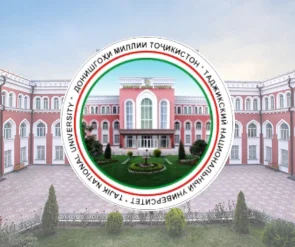
| 3 | Tajik National University – Medical Faculty | Dushanbe | Public | Check whether the selected medical program is suitable for foreign medical graduate pathway. |
| 4 | State Educational Medical Institutions / Regional Medical Faculties | Various | Public | Take admission only after written confirmation of recognition, duration, internship and licensing eligibility. |
Primary Medical Qualification (PMQ) University Wise Count of Candidates as listed in the NBEMS FMGE Performance Report 2025. Pass percentage above 40% would be highlighted in green.
| # | PMQ Country | PMQ University | Total Appeared | Fail Female | Fail Male | Fail Other | Total Fail | Pass Female | Pass Male | Pass Other | Total Pass | Pass % |
|---|---|---|---|---|---|---|---|---|---|---|---|---|
| 1 | Tajikistan | Avicenna Tajik State Medical University | 589 | 108 | 351 | 0 | 459 | 61 | 69 | 0 | 130 | 22.07% |
| Parameter | MBBS in Tajikistan | MBBS in India |
|---|---|---|
| Admission | NEET qualified + university eligibility | NEET rank-based counselling |
| Fee | Usually lower than Indian private colleges | Government low; private/deemed can be very high |
| Donation | No donation in most standard admission routes | Private management quota may be costly |
| Clinical Exposure | Depends heavily on university and hospital attachment | Strong in many Indian teaching hospitals |
| Language | English study + local/Russian language for patients | English + regional language exposure |
| After Graduation | FMGE/NExT required to practice in India | Internship + licensing as per Indian rules |
| Best For | Budget-conscious NEET-qualified students after careful verification | Students with strong NEET rank or high private MBBS budget |
MCI has been replaced by NMC. Students still search “MCI approved medical universities”, but the correct approach is NMC-compliance verification.
| University / Institution | City | Status Check Required |
|---|---|---|
| Avicenna Tajik State Medical University | Dushanbe | Verify before admission |
| Khatlon State Medical University | Khatlon region | Verify before admission |
| Tajik National University – Medical Faculty | Dushanbe | Verify program suitability before admission |
| Requirement | Details for Indian Students |
|---|---|
| Age | Student should complete 17 years by 31 December of the admission year. |
| Academic qualification | 10+2 or equivalent with Physics, Chemistry, Biology/Biotechnology and English. |
| Minimum PCB marks | 50% for General category and 40% for reserved category students, as commonly required for MBBS abroad eligibility. |
| NEET qualification | NEET UG qualification is mandatory for Indian students planning to study MBBS abroad and return for medical licensing in India. |
| Passport | Valid passport is required for admission, invitation letter, visa processing and travel. |
| Medical fitness | Medical fitness certificate, HIV report and vaccination records may be required by the university or visa office. |
After completing MBBS in Tajikistan, Indian students must qualify the required Indian licensing examination such as FMGE or NExT, as applicable at that time, to practice medicine in India. Therefore, students should start exam-oriented preparation from the first year itself.
| Year | Preparation Focus | Student Action |
|---|---|---|
| 1st–2nd Year | Anatomy, Physiology, Biochemistry foundation | Start concept-based study and Indian standard reference books. |
| 3rd Year | Pathology, Pharmacology, Microbiology, Forensic Medicine | Start MCQ practice and revise high-yield subjects regularly. |
| 4th–5th Year | Clinical subjects and hospital cases | Connect theory with diagnosis, treatment and patient management. |
| Internship | Clinical skills and final exam revision | Prepare seriously with mock tests and previous papers. |
Tajikistan is generally affordable, but monthly expenses depend on city, hostel, food habits and lifestyle.
| Expense | Approx. Monthly Budget | Notes |
|---|---|---|
| Hostel / Room | Depends on university package | University hostel is usually cheaper than private accommodation. |
| Food / Mess | Moderate | Indian mess availability should be checked before admission. |
| Local Transport | Low to moderate | Public transport and taxis are available in Dushanbe and major cities. |
| Mobile / Internet | Affordable | Students can buy local SIM cards after arrival. |
| Personal Expenses | Varies | Shopping, travel and lifestyle can increase the monthly budget. |
Parents should keep an emergency fund for medical insurance, winter clothing, travel changes and currency fluctuation.
Many universities provide hostel accommodation for international students. Students should check room sharing, heating, laundry, kitchen access, distance from campus, security and hostel rules before final admission.
Indian food availability is more limited than larger MBBS destinations, so students should confirm mess facilities, cooking access and nearby grocery options before choosing the city and hostel.
Tajikistan can be comfortable for disciplined students, but they should follow local laws, keep passport and visa documents safe, avoid unauthorised work, maintain attendance and stay connected with university coordinators and parents.
MBBS from Tajikistan can open multiple career routes only when the degree, internship and licensing documents are valid and complete. Indian students should plan early and keep transcripts, internship certificates and university records properly.
| Career Path | Requirement | Best For |
|---|---|---|
| Practice in India | FMGE/NExT qualification, internship and registration as per Indian rules | Students planning to return to India. |
| PG in India | Indian registration plus applicable PG entrance route | Students targeting MD/MS in India. |
| USMLE / USA route | University pathway, exams and ECFMG-related requirements | Students aiming for USA residency pathway. |
| PLAB / UK route | UK licensing requirements applicable at that time | Students interested in the UK medical pathway. |
| Work or PG Abroad | Depends on country-specific medical council rules | Students open to global licensing pathways. |
ROI helps parents understand whether MBBS in Tajikistan is financially practical and what career planning is needed after graduation.
| ROI Factor | What It Means for Students | How to Improve ROI |
|---|---|---|
| Total Investment | Parents should calculate tuition, hostel, food, visa, travel, insurance, exam coaching and emergency expenses. | Take a written fee structure and avoid hidden charges before admission. |
| Licensing Exam Result | The real value of MBBS abroad for Indian students depends strongly on clearing FMGE/NExT. | Start preparation from the first year, not after graduation. |
| Clinical Exposure | Better hospital training improves confidence and future exam preparation. | Choose a university with proper hospital attachment and clinical rotations. |
| PG / Specialization | Long-term earning improves after specialization such as MD/MS, DNB or international residency routes. | Plan PG pathway early: India, USA, UK, Gulf or other country-specific route. |
| Student Situation | Can Take Admission Abroad? | Risk for India Return | Best Advice |
|---|---|---|---|
| NEET qualified | Yes, if university/program is compliant | Eligible pathway for FMGE/NExT subject to rules | Choose university after recognition, internship and English-medium verification. |
| NEET appeared but not qualified | Some foreign universities may still offer admission | High risk: India registration pathway may be blocked | Do not proceed for MBBS abroad if India practice is the goal. |
| Student wants only abroad career | Depends on country rules | India practice is not guaranteed | Check licensing rules of the target country before admission. |
| Planning PG abroad later | Possible in some countries after local eligibility | PG abroad does not automatically make MBBS valid for India | Understand licensing before investing money. |
Students can study further after MBBS in Tajikistan, but India practice depends on Indian medical registration rules, not only on having a master’s degree.
If the student wants to work as a doctor in India, the main pathway is to complete an eligible foreign medical degree, complete required internship/training, qualify the Indian licensing exam such as FMGE/NExT as applicable, and obtain registration through the competent medical council.
Students may explore licensing routes outside India such as USA, UK, Gulf countries or other destinations. Each country has separate exams, language requirements, clinical experience rules and visa conditions.
| Checklist Item | Status Before Payment |
|---|---|
| NEET qualification checked | Required |
| University recognition verified | Must be checked |
| NMC FMGL compliance verified | Must be checked |
| English medium confirmed in writing | Must be collected |
| Course duration and internship confirmed | Must be collected |
| Complete fee structure received | Must be in writing |
| Hostel and food details checked | Recommended |
| FMGE/NExT preparation plan checked | Very important |
Students should keep scanned and physical copies of passport, NEET scorecard, marksheets, offer letter, fee receipts, visa, insurance, hostel allotment, medical reports and recognition documents. Never submit original documents to unauthorised persons without receipt or written policy.
Edu Plan Consultants helps students compare MBBS abroad options, verify university details, understand NMC compliance, prepare documents, evaluate budget and choose a safer admission pathway. Students and parents should always ask for written confirmation of fee, recognition, medium of instruction and internship details before final admission.

We cooperate with the best Universities/College's around the Globe. Choose your top University/College and get Admission!

Select Counselor profiles below to initiate chat. They're here to assist you on your educational journey. Let's get started!


